Thunderchild First Nation
“My name is Jerry, and I’m a proud member of Thunderchild First Nation, located approximately 113 kilometres northwest of North Battleford. Our community sits between two major centres, Saskatoon and Edmonton, but our roots are deep in the land we call home.” Jerry has held many roles in his community. A former teacher and Director of Education, his work has always involved planning and community development.
Today, he serves as the Nation’s Treaty Land Entitlement (TLE) Coordinator, working on lands-related projects with the band office. “I didn’t expect to move into a Lands role,” Jerry reflects. “At the time, I was unemployed and on EI.
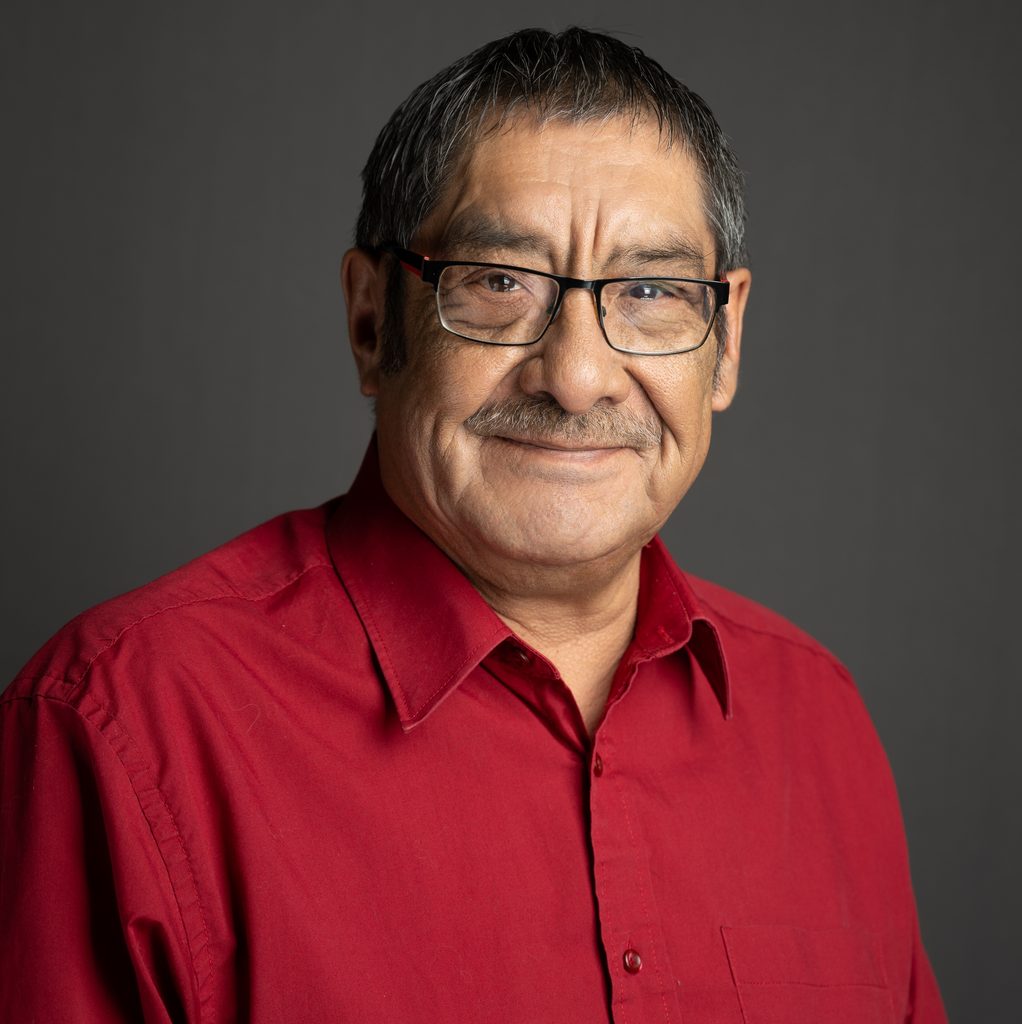
The Community Navigator mentioned they needed some work done, and I had a background in planning, legislation, and Indigenous languages. I had also followed the development of the Lands Act and was familiar with TLE. I guess someone thought I was in the right place at the right time, and here I am.”
TLE, or Treaty Land Entitlement, is a critical process for many First Nations across Western Canada. It addresses historical shortfalls in land promised under treaty agreements. In Thunderchild’s case, the Nation has acquired a significant number of new parcels of land, many of them in remote areas, with the intent of eventually adding them to reserve. This brings both opportunity and responsibility.
“With new lands comes the need for planning,” says Alex Marques, Land Use Planning Program Specialist for the National Aboriginal Lands Managers Association (NALMA), who is supporting Thunderchild through land use planning processes. “Jerry reached out when they were beginning some of the foundational work for a land use plan. The Nation had already developed a Land Law and now needed to consider how to integrate new lands into their vision for the future.”
For Jerry, land is more than a legal or planning issue, it is sacred.
“You can’t separate what the land means to me personally from what it means to the community,” he says. “The land was given to us by the Creator. It is not something to be destroyed. It’s something we must protect, and we do that by following the proper cultural protocols. Everyone in the community is a steward of the land.”
Before any project breaks ground, Thunderchild holds ceremony to honour the land and ensure the work is done in a good way. The land supports traditional food gathering, ceremonies, and cultural practices, including the care and maintenance of grave sites. Wetlands, wildlife, and the risk of environmental changes like flooding or wildfire are all carefully considered.
“In many ways, managing our land is similar to municipal zoning. But for us, it’s tied directly to our cultural and spiritual values. We don’t just manage land for development, we manage it to ensure it continues to support our way of life. Everything is connected.”
Through careful planning, cultural respect, and community leadership, Thunderchild First Nation continues to move forward honouring the land and the knowledge systems that have protected it for generations.
Building the Future, Honouring the Past
In Thunderchild First Nation, land is not just a place, it’s a teacher, a provider, and a sacred trust passed between generations. While elders hold deep knowledge of the land, it’s the youth who are being taught to carry that responsibility forward. For Jerry, it’s all about building those intergenerational bridges.
“We incorporate land-based learning directly into our school curriculum,” Jerry explains. “Students don’t just read about the land, they go out on it. They learn survival skills like how to snare a rabbit, how to identify traditional medicines, and most importantly, how to take care of the land.”
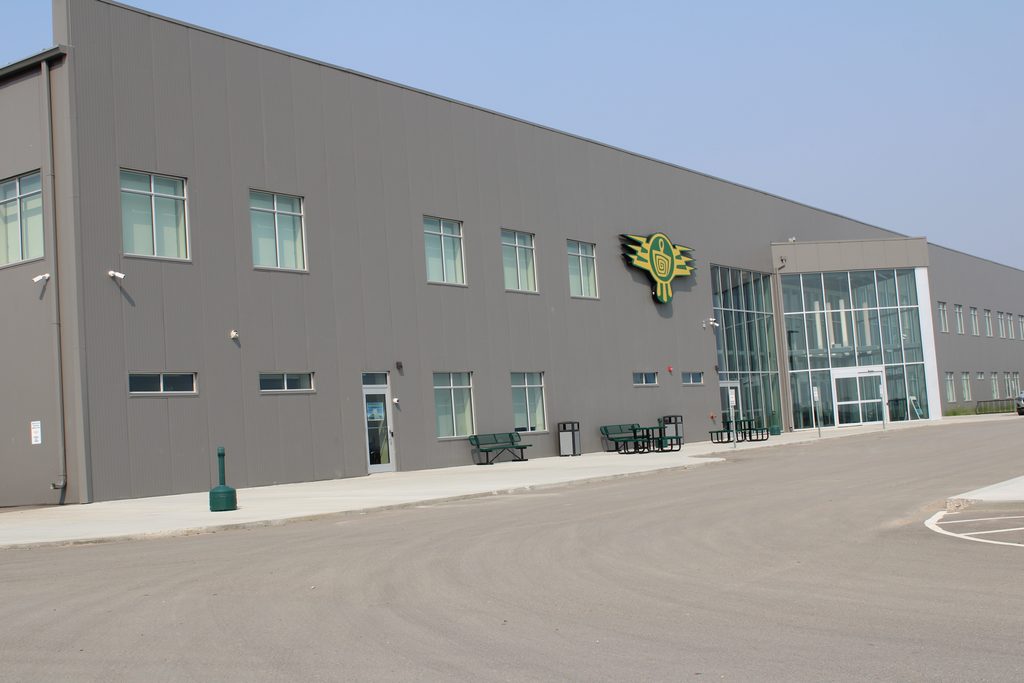
The program is thriving, in large part because it’s rooted in the Nation’s cultural values and led by both educators and elders. During the winter, activities like ice fishing and seasonal teachings bring students outside to learn directly from the land and from community knowledge holders.
Jerry shares a story of how this connection between knowledge and land became a powerful lesson.
“Once, a family services group ran a camp without consulting the Lands Department. They unknowingly cleared out a whole area of sweetgrass. That was a wake-up call. We walked the area together, identified the plant, and explained its cultural and medicinal importance. Since then, those types of decisions always involve our department.”
Language is another vital thread in the fabric of community knowledge. Thunderchild has a community radio station where programming is delivered in Cree, reinforcing both language retention and cultural connection.
“Some things just can’t be translated into English without losing their meaning,” says Jerry. “We also have elder meetings where Cree is the main language, especially when talking about traditions, stories, and history. Translators are there, but the depth of meaning comes through best in our own language.”
That depth is vital in Thunderchild’s land use planning process. Community consultations are conducted in Cree, led by Jerry himself as MC. “When we host gatherings to identify isolated grave sites, for example, I speak in Cree because our elders need to be able to fully express what they know. Thanks to NALMA’s support, we can now add those grave sites to our official maps.”
Mapping is more than a technical exercise, it’s a tool of protection and preservation. Once identified, these sites will be cleaned following cultural protocol and designated as historic by Chief and Council. By mapping them, it ensures that future development, such as power lines or fibre optic cables, are developed outside of these sacred places.
“We had a situation where a fibre optic company planned to run a line too close to the cemetery. Because we had done the mapping, we were able to intervene and get them to change their route.”
The importance of this work came into sharper focus as the Nation began identifying new land for cemetery use. “Our current site is overpopulated,” Jerry explains. “And we also know of older graves dating back to our relocation from Delmas, Saskatchewan in 1908. That knowledge lives with our elders, and it’s only by walking the land with them and listening in Cree that we’re able to map and protect those areas.”
We’re planning for those who haven’t been born yet. The work we do now—our decisions—will help support and shape their lives for the future.”
– Jerry Okanee, Thunderchild First Nation
The importance of this work came into sharper focus as the Nation began identifying new land for cemetery use. “Our current site is overpopulated,” Jerry explains. “And we also know of older graves dating back to our relocation from Delmas, Saskatchewan in 1908. That knowledge lives with our elders, and it’s only by walking the land with them and listening in Cree that we’re able to map and protect those areas.”
It’s not only about protecting the past, it’s about shaping the future. Thunderchild’s land use planning efforts are already supporting other community goals: expanding housing, planning infrastructure, and even strengthening their farming operation.
Alex Marques, Land Use Planning Program Specialist with NALMA, reflected on the bigger picture: “What Jerry and the community are doing is remarkable. By connecting the dots between youth, elders, language, and land, they’re not just managing land, they’re strengthening every part of community life.”

About Thunderchild First Nation
Thunderchild First Nation is an independent Cree
First Nations band government in Turtleford,
Saskatchewan and is located approximately 113
kilometers northwest of North Battleford. For more information, please visit:
For more information about the Thunderchild
Wellness Centre (TWC) please visit:
www.myreccentrethunderchild.com
For more information about Thunder Farms Ltd., please visit: Thunder Farms. Information courtesy of Thunderchild First Nation.
Thunder Farms: Feeding the Future, Cultivating Knowledge
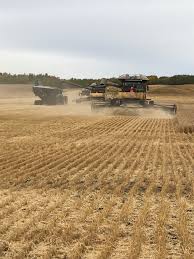
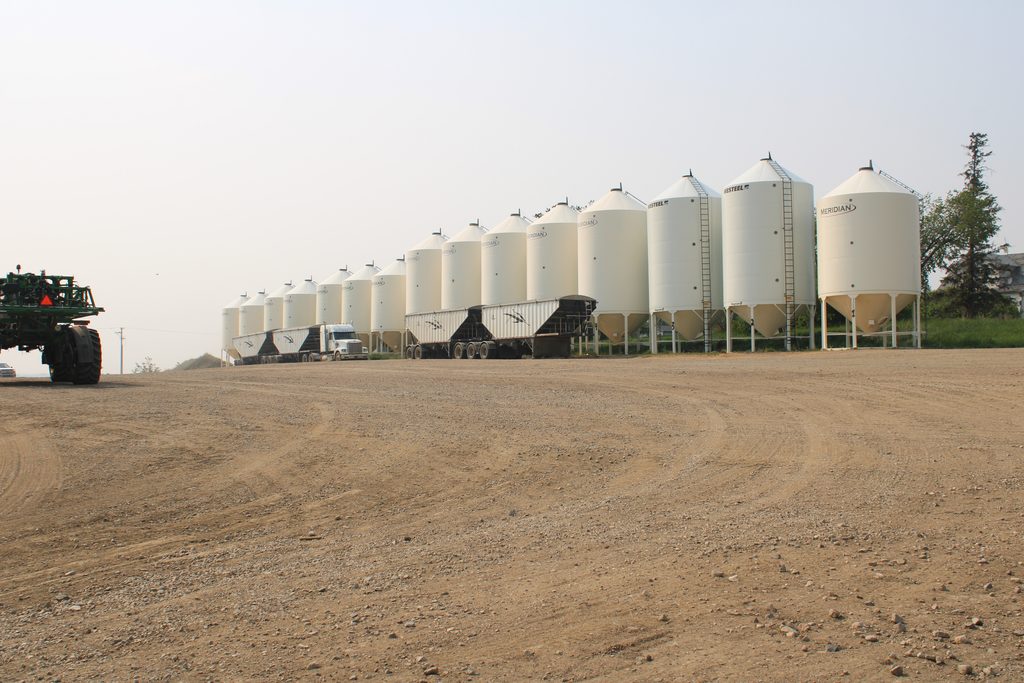
Thunderchild First Nation’s commitment to self-determination is perhaps nowhere more visible than in the success of Thunder Farms Ltd., a wholly owned First Nation agricultural company. Building on a legacy of land stewardship and driven by vision, Thunderchild made the strategic decision to transition from leasing out their vast agricultural lands to farming them independently. This shift not only created a new economic pillar for the Nation, but also fostered skill development, employment, and land-based education for the community.
Thunder Farms operates across both Reserve and Treaty Land Entitlement (TLE) lands, with a professional management team, local labour force, and Nation members bringing experience and passion to the work. “Piyesiw Ranch currently run about 1,100 head of cattle and 600 calves born this year,” explains Jerry. “The students learn about the land and are brought out to see it firsthand. They’re informed about the livestock and how the land supports it. That kind of knowledge is vital for our future leaders.”
During a recent visit, NALMA’s Land Use Planning Program Specialist Alex Marques was struck by the sophistication of the work. “It’s a fully modern operation. From planting to harvest, the team uses high-tech systems and expert planning to succeed. But what impressed me most was how Thunderchild is using this opportunity to build capacity from within—training members, involving youth, and creating something lasting.”
Farming on this scale also comes with challenges, particularly environmental ones. “With herd sizes like ours, climate change is now a major factor,” says Jerry. “We’re planning to pipe water from the North Saskatchewan River to a higher elevation area that’s centrally located. But for that, we need permits and a filtration station. It’s in motion, but it’s another reminder of how critical planning is.”
“It’s a comfort to the community knowing that these areas are recognized and being protected. It shows we’re taking care of our land and our people.”
– Jerry Okanee, Thunderchild First Nation
Planning at Thunder Farms goes hand in hand with mapping, and here, land use planning is more than paperwork. It’s a foundational tool that guides growth. When Thunder Farms approached Jerry to help identify new areas for development, he provided detailed land analysis. “We mapped out where the gas pipelines are, where utility lines run, and culturally sensitive zones like our Sundance grounds, which must be protected. We also look at soil types to know what crops will thrive where.”
This precision mapping, supported through NALMA’s Land Use Planning Funding Initiative, is shaping real-time decisions. “They’ve already started breaking new ground based on the maps we created,” Jerry says.
Historical context is never far from the surface in Thunderchild’s planning. The Prairie Farm Rehabilitation Administration (PFRA), a federal initiative originally launched during the Great Depression to combat drought and erosion in the Prairies, was recently designated a National Historic Event in 2025. “It reminds us of the fragility of our lands,” Jerry reflects. “We remember the fear of land surrenders in those days. Mapping now helps ensure we make decisions that protect and sustain our lands long-term.”
Mapping isn’t just for economic development. It’s also used to guide cultural and educational activities. “When we planned a school trip,” Jerry says, “I could show them exactly where the Saskatoon berries and raspberries grow. That became a land-based learning site for students to gather and learn traditional practices.”
Community-Led Planning: Honouring the Past, Building for the Future
At the heart of Thunderchild First Nation’s approach to land management is a deep respect for community voices, especially those of the Elders. What began as a modest gathering of 10 to 15 Elders at the first information session quickly grew into a powerful wave of engagement, with attendance swelling to over 40 participants in subsequent meetings. “It created a kind of snowball effect,” said Jerry. “People wanted to be involved, to share what they knew about the land and how we could protect and care for it going forward.”
These gatherings were more than meetings, they were cultural events, shaped by the community’s preferences. When asked what they’d like for lunch, Elders requested a traditional meal. “It was done right,” Jerry emphasized. “The participation was there, the contributions were meaningful, and we were just getting started.”
That participation has driven key efforts such as graveyard identification and the mapping of cultural sites, work that remains ongoing. Using historical records, oral history, and community memory, Thunderchild is actively identifying burial sites connected to ancestors who first arrived in the area following the Nation’s relocation from Delmas in 1908. “We’re using treaty payment records to trace the first families here, and the Elders are helping us connect the dots, those early members could be their parents or grandparents.”
This traditional data collection is also informing a visual and historical timeline, starting from the signing of Treaty Six all the way to the present. These stories, events, and places are now being shared with the school, the community, and the broader public, connecting generations through knowledge and memory.
For Jerry, one of the most powerful aspects of this process is how it has united different departments across the First Nation. “We’ve worked with Family Services, with Economic Development, with Agriculture, it’s all connected,” he said. “That’s what planning is. You’ve got to understand the protocols, the culture, the language. When you do, people get it. They buy in. And you do things the right way.”
The mapping of cultural sites through the land use planning process has had a transformative impact on infrastructure development. “The very first thing Elders said to us was: ‘We can’t forget our people, the ones buried out there on the land.’ These were the original community builders. Some of them weren’t counted in the treaties. But they’re our family. They matter.”
Through land use planning and mapping, these burial grounds are now being documented, protected, and formally recognized by Chief and Council. This ensures that future projects won’t unknowingly disturb them.
But mapping does more than protect, it enables progress. Thunderchild is now preparing for Additions to Reserve (ATR), and accurate, culturally respectful land mapping is a key requirement. “We need to know everything about the land, where the drainage is, what kind of wetlands exist, what trees and plants grow there. All of that matters, whether you’re planning economic development or eco-tourism.”
This work feeds directly into a long-term vision. Thunderchild is developing a comprehensive 20-year comprehensive community plan, informed by cultural knowledge, environmental stewardship, and community priorities. Jerry, having attended specialized NALMA training sessions on topics like ATRs, now acts as a key resource person within the Nation, helping to bridge technical processes with traditional practices.
Looking Ahead: A Legacy for Future Generations
The work being done in Thunderchild First Nation is more than land use planning, it’s a journey of reconnection, reclamation, and community visioning. From the first Elders’ information session to the integration of Cree language, every step has been guided by the values, voices, and knowledge of the community.
Alex Marques shared that Thunderchild is a clear example of what happens when funding meets strong community leadership. “They’ve done all the work,” he said. “Jerry and the community are building something rooted in cultural knowledge, technical understanding, and a vision for the future. Our role was simply to support them so they could build what they needed, their way.”
This holistic approach has made land use planning meaningful and accessible. Sacred and historical sites have been carefully plotted and can now be protected. These maps offer not just logistical information, but peace of mind. “It’s a comfort to the community,” Jerry said. “It shows we’re taking care of our land and our people. It’s part of our values and what we must pass on to our youth.”
Language has played a vital role in that connection. The Nation has also started discussions around incorporating traditional place names and signage in Cree, further embedding cultural identity in the land.
One of the most significant achievements to date has been the innovative pairing of traditional data collection with modern technology. Using drones, cameras, and mapping software, the Nation is able to gather detailed information about wetlands, vegetation, infrastructure, and more. This is being done alongside oral history collection, seasonal knowledge, and cultural insight. “We’re putting them together,” Jerry said. “That combination gives us better outcomes. Better decisions. And it empowers every department, from Public Works to Housing to Economic Development.”
With this foundation, Thunderchild is now preparing to enter Phase 2 of its Land Use Planning initiative. The pre-planning work, mapping, inventories, assessments, has positioned the Nation to make more targeted decisions in areas like housing, leasing, Additions to Reserve, and future infrastructure development.
“We’re building a long-term master plan,” Jerry explained. “It will touch every part of the community. And it won’t just be for the next 10 years. We’re planning for those who haven’t been born yet. The work we do now, our decisions, need to make their lives better, too.”
“Start planning. Get it on paper. Make sure your data is organized and your community is informed every step of the way.”
– Jerry Okanee, Thunderchild First Nation
For other Nations considering the Land Use Planning initiative, Jerry offered this advice: “Start planning. Get it on paper. Make sure your data is organized, and your community is informed every step of the way. This work will benefit your Nation for generations. Stay grounded in your culture. Think ahead. And when challenges come, address them in a good way. Planning done right becomes a legacy.”
Through thoughtful planning, respectful engagement, and a powerful blend of tradition and innovation, Thunderchild First Nation is proving what’s possible when a community leads its own path forward honouring the past, shaping the present, and preparing for a resilient and self-determined future.